The Afterlife of Trash TV
📌 The Point:
Sunsetting a Genre and the Rise of Spectacle On-Demand
I am a child of the entire arc of reality television.
Not just the prestige years. Not just the meme-able moments. I mean the full lineage; from MTV’s social experiment era to VH1’s golden age of spectacle, all the way back to daytime talk shows that trained us to gather around conflict as entertainment. I was there frame by frame. I loved it. I studied it. I even authored academic essays on the topic long before it was respectable to take “trash TV” seriously.
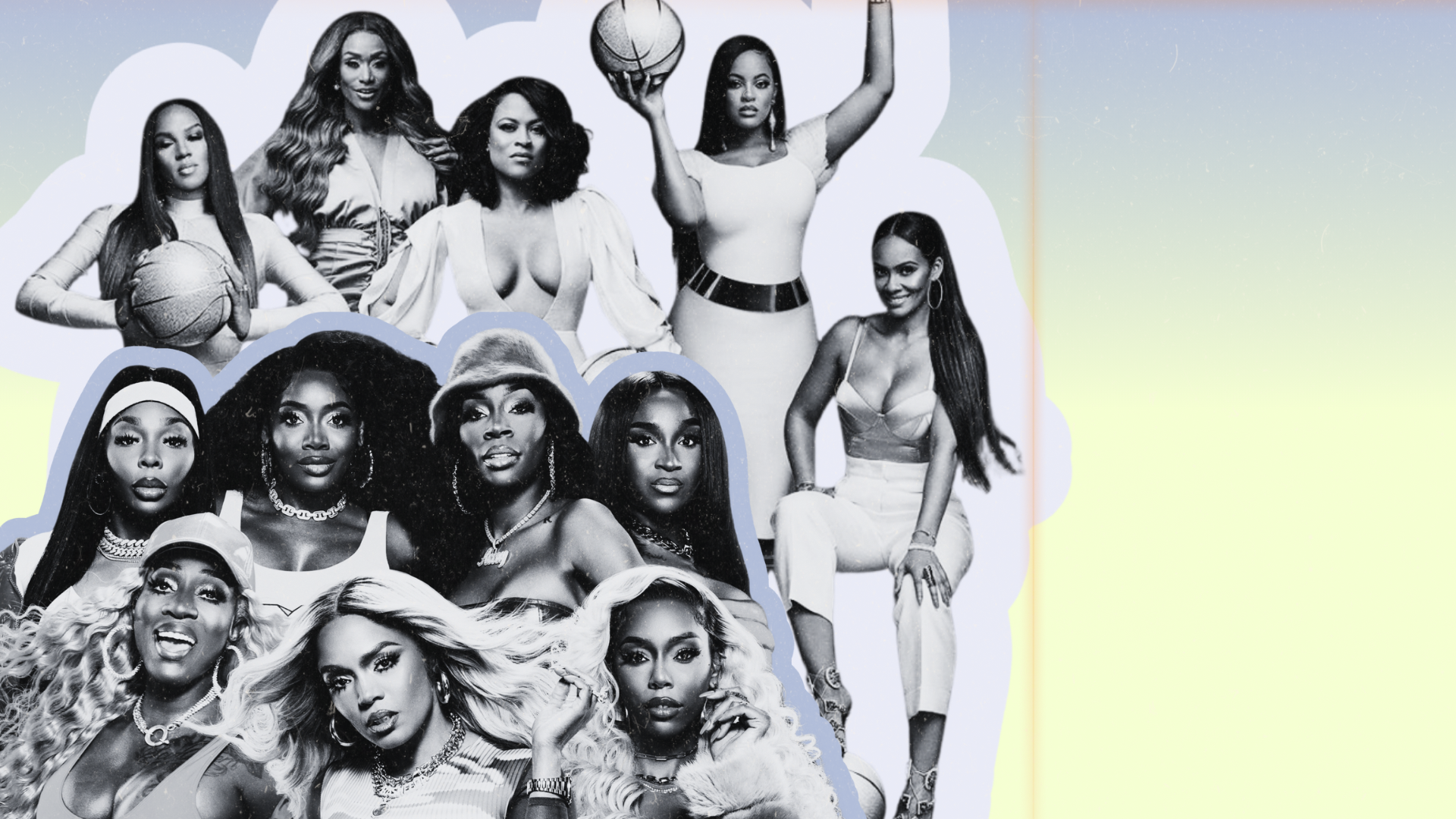
So when people casually note that Basketball Wives has been canceled, that Love & Hip Hop has quietly reached the end of its run, or speculate that the Housewives universe may not be far behind, what it signals to me is the end of an era. Not just the cancellation of a few shows, but the sunsetting of a genre as we once knew it.
Success without Succession
Reality television—particularly its messier, louder, more chaotic iterations—has been one of the most economically powerful storytelling formats of the last three decades.
Entire public careers were launched from “silly little shows.” Influence economies were born here. A blueprint for modern fame was drafted in confessionals, reunion couches, and producer-engineered feuds. Reality TV didn’t just entertain, it perfected the model for turning people’s private lives into the property of the American public.
As this era winds down, something important becomes impossible to ignore: there has been no successful succession plan.
Networks tried.
Spin-offs came and went. Children of iconic reality stars were introduced as heirs to the throne. New casts were framed as “the next generation.” But the magic didn’t transfer. The appetite wasn’t there, not in the same way, and not with the same intensity.
And the reason is actually pretty simple.
The audience that built these franchises wasn’t tuning in to watch young adults casually figure themselves out. Even when reality skewed younger, the flavor of drama still had to align with what audiences expected: power, money, loyalty, reputation. The stakes were adult. The fallout was public.
What traditional television failed to account for is that the genre didn’t need new characters. It needed a new distribution model.
Over Rated
For decades, entertainment was dictated by ratings, ad buys, and executive greenlights. Today, performance is measured by direct engagement. Attention itself has become the yardstick – what people comment on, remix, share, and refuse to look away from. In theory, that gives consumers more influence than ever before. In practice, it’s more complicated.
To be clear, I am not moralizing.
Spectacle built on judgment, dysfunction, and excess didn’t start with reality TV, and it won’t end with TikTok. Even Jill Scott recently said, in an interview on Angie Martinez IRL, that her guilty pleasure is tuning into the ongoing drama around Chrisean Rock and Blueface.
So, I’m not here to police taste or ask anyone to become a moral referee for entertainment. These stories existed before us. They’ll exist after us.
But I am calling for recognition that the genre has shifted from network-produced reality television to viral figures and storylines distributed through social media.
Rather than ratings, our engagement is what powers the entertainment pulse.
Attention Is Airtime
We can default to engaging with this kind of content simply because we always have.
Or we can acknowledge that, for the first time, consumers collectively have real influence over what gets airtime in the cultural stream.
That doesn’t mean erasing anyone’s story or pretending spectacle doesn’t work as a magnet for mindshare.
It means understanding that attention is no longer passive or powerless, and we can choose—intentionally—where we place it.
We can divest attention from humiliation-driven spectacle when it feels empty or exploitative. And we can invest attention in creators, stories, and formats that diversify what entertainment looks like: deeper comedy, richer character work, relationship dynamics rooted in integrity, nuance, and care.
This is why independent film festivals, creator-led storytelling spaces, and alternative distribution models feel newly vital—not nostalgically important, but strategically important. They’re where skills and information circulate in community, helping creators not only navigate an evolving media landscape, but influence what it becomes. They are where people with something fresh to contribute are identified, supported, and amplified before algorithms flatten the field.
New Channels, New Choices
This essay continues a thread I’ve been pulling on for a while now. When I wrote about the future of stardom belonging to constellations, I was naming the same fatigue we’re seeing here: exhaustion with forced drama, overproduced conflict, and pacing that can’t keep up with contemporary consumer content.
Reality TV isn’t failing because people stopped loving mess. It faltered because its infrastructure couldn’t keep up with the speed of attention.
And the question now isn’t whether spectacle will exist, but whether we’re willing to recognize our role in shaping what rises, spreads, and gets sustained.
We cast our vote for the future of entertainment media through where we choose to look and linger. New channels, new choices.

I’m Briaan L. Barron (Bri), a creator based in Seattle, and the CEO of Heye Frequency. My practice bridges branding, public leadership, and cultural strategy. My writing interrogates the future of taste, trust, authority, and community on the Web and in the world.