The Future of Stardom Belongs to Constellations, Not Lone Stars
🔮 Forecast
The Strategy for Brand Endurance is Sharing the Spotlight
Here’s my forecast for the future of stardom: the brightest stars will no longer shine alone. They’ll belong to constellations.
By that, I mean friendly, intentional collaboration is becoming one of the highest-value forms of brand equity we have. We’re slowly but surely steering away from the individual hero story—the solo CEO, the singular genius, the untouchable icon—and toward narratives centered on groups, duos, and collectives. Stardom is being reorg’ed.
I don’t see this being a phase. It’s a pattern I’m watching converge across influencer culture, reality television, labor economics, and importantly, the emotional temperature of society itself.
From Individual Heroes to Shared Dynamics
Recently, influencer @bran__flakezz offered that the future of influencing looks less like standalone personalities and more like friend groups or best-friend duos. Rather than just following one person, social scrollers enjoy following dynamics.
Strategically, this makes sense. Collaboration bakes in cross-promotion, multiple points of view, and narrative longevity. But culturally, it’s even more resonant, because the individual hero narrative is wearing thin. The solo star model asks one person to carry too much meaning, too much scrutiny, and too much projection.
And increasingly, we’re seeing high-profile artists and entertainers respond to that reality in real time.
Where the Constellation Model Is Already Working
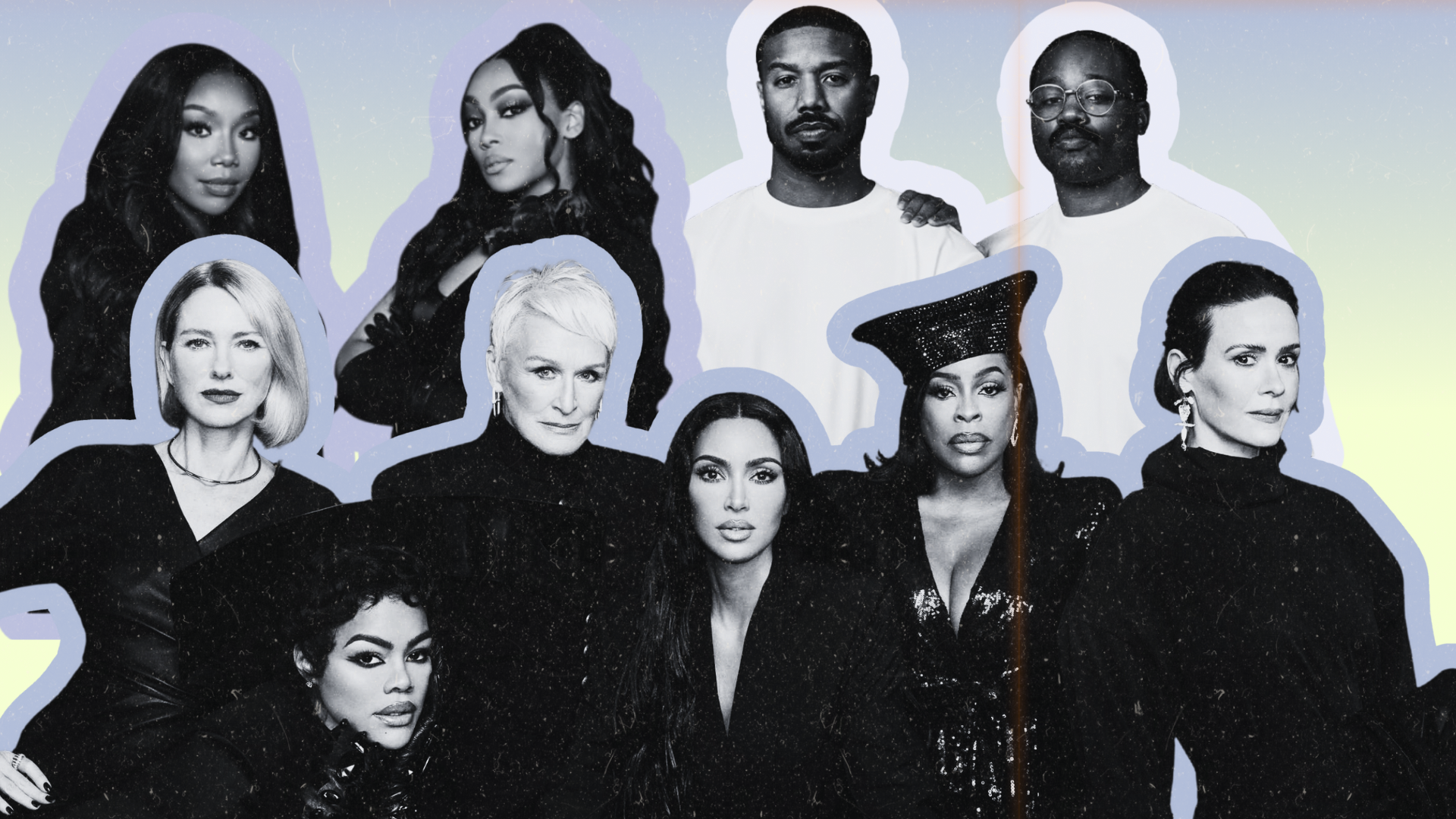
Take the Brandy and Monica tour. Two stars, both with deep catalogs and devoted fan bases, choosing to share a stage rather than compete for one. Not only that—they expanded the constellation by inviting Kelly Rowland, Mýa, and Muni Long into the experience.
From the audience’s perspective, this model offers obvious value. Concert tickets are expensive. A lineup like that feels abundant rather than extractive. You’re not paying top dollar for a single nostalgia hit, you’re getting a multi-generational, culturally rich experience that feels worth the investment.
But the value isn’t just consumer-facing. For the artists, it distributes the weight of touring itself–creative labor, promotion logistics, emotional stamina. Touring as a solo act is grueling, expensive, and high-risk. Sharing the stage shares the load. It allows artists to remain visible without shouldering the entire operational burden alone.
That’s the constellation logic at work.
We’re seeing something similar on screen. Consider a show like All’s Fair, with an ensemble cast that includes Kim Kardashian, Sarah Paulson, Glenn Close, Niecy Nash, and more—each a star in her own lane, with her own audience, credibility, and cultural footprint.
The brilliance of that ensemble is both talent stacking and risk distribution. If you don’t resonate with one cast member, the others are strong enough to pull you in anyway. You might not be a Kim K fan, but you’ll tune in for Sarah Paulson. Or Niecy Nash. Or Glenn Close. The project doesn’t live or die by a single public persona.
That’s shared gravity, and it’s smart.
Reality Television as a Funhouse Mirror
I’m a reality television connoisseur. I’ve been watching unscripted television since The Real World, through Flavor of Love, I Love New York, The Simple Life, and beyond. My postgraduate research focused on identity representation and reality TV as both cultural mirror and cultural influencer.
Reality television has always functioned as a funhouse mirror. It exaggerates and distorts, but it still reflects real social patterns. Historically, the entertainment appeal lived in contrast. We either watched the ultra-wealthy navigate absurd opulence or watched people on the margins of polite society deal with explosive interpersonal chaos. The intrigue came from difference and distance between the subjects and the viewers.
But something has shifted.
When Escapism Turned Hostile
Over the past few years, shows that once promised glamorous escapism—Netflix’s Selling Sunset or Bravo’s Housewives franchise being prime examples—have grown genuinely hostile. Not campy. Not playful. Not silly. Instead: angry, cutthroat, and mean.
The drama is no longer about punchlines or petty one-liners. It’s about character assassination— lawsuits and criminal charges. The recipe for entertainment has swapped good old-fashioned spectacle with emotional warfare.
And that tonal shift matters, because it mirrors the emotional state of the culture watching it.
The Collapse of the Fourth Wall
At the same time, the fourth wall has collapsed entirely. Social media now outpaces television. Viewers often know the outcome of storylines before episodes even air. Blogs, TikToks, and Instagram Stories leak information months in advance.
By the time the show premieres, the audience is already ahead of it.
The “hero content” now lags behind the paratext. Watching becomes less about suspense and more about forensics—seeing how people got to places we already know they end up. That dissonance is creating a fundamental dysfunction in unscripted television as a format.
And it’s not sustainable.
Stardom in an Exposure Culture
We’re living in an exposure culture. Visibility today is constant, participatory, and largely unbuffered. Critique is crowdsourced. Accountability frequently slides into punishment. Public rises are brief, and public falls are spectacular.
There’s a clip of Kehlani on The Breakfast Club talking about how we became anti-police and then became the police ourselves. Everyone is watching everyone, cataloging missteps. The modern guillotine is digital.
For the individual star, standing alone in the spotlight has never been more vulnerable.
“Social media now outpaces television. By the time the show premieres, the audience is already ahead of it. The ‘hero content’ now lags behind the paratext.”
Fame Without Infrastructure
Fame used to come with scaffolding. Media training. Gatekeepers. Handlers. Much of that infrastructure has eroded or been radically weakened.
Public figures are now expected to engage directly with their audiences, respond quickly, maintain constant visibility, and manage their narrative in real time. Digital footprints function like public libraries, where anyone can pull any volume from any shelf at any moment. Old tweets. Old interviews. Old versions of you.
There is no controlled release of identity anymore. Visibility is perpetual.
Why Collaboration is Safer
In this environment, collaboration is a strategy not just for growth, but for protection. Sharing visibility softens scrutiny and expands narrative capacity.
When audiences attach to relationships rather than singular figures, the story becomes more durable. Constellations can absorb pressure in ways lone stars cannot.
The Brandy and Monica tour works because no one is carrying the entire legacy alone. All’s Fair works because no single reputation has to shoulder the full weight of audience expectation or backlash. A shared spotlight is a strategy for endurance.
Audiences feel this shift too. There’s a growing exhaustion with content driven by antagonism and collapse, paired with a renewed desire for trust, connection, and relational depth. This is why ensemble storytelling feels poised for a return—not casts engineered for conflict, but groups with genuine history and real bonds. Content that harkens back to the community and camaraderie-centered world-building of shows like Living Single.
The tension in the storylines won’t disappear. But it will come from intimacy rather than opposition.
Stardom Mirrors the Labor Shift
Zooming out further, this mirrors broader changes in labor and economic life. Loyalty to institutions is eroding. Careers are becoming modular. People are exchanging value through smaller ecosystems and networks of trust.
Some of the most valuable resources aren’t monetary at all. They come from proximity to people. From shared access. From community functioning as infrastructure again.
Stardom will follow suit.
Toward a Different Kind of Visibility
I think the future of reality television—and modern fame more broadly—will be less glossy and more observational. More documentary than spectacle. More cinema verité than stage-lit. Less interested in forced drama and more interested in proximity to honest human dynamics.
The hyper-polished, hyper-antagonistic era is phasing out not because it lacks drama, but because it lacks sustainability. And because a lot of folks’ spirits are craving something different.
The Dawn of the Constellation Era
The future of stardom isn’t about standing alone at the center of the limelight. It’s about being part of something that can hold weight, absorb pressure, and endure. The future belongs to constellations.

I’m Briaan L. Barron (Bri), a creator based in Seattle, and the CEO of Heye Frequency. My practice bridges branding, public leadership, and cultural strategy. My writing interrogates the future of taste, trust, authority, and community on the Web and in the world.